
Sophie's Kitchen shares practical, down-to-earth guidance on british home cooking, seasonal recipes, and restaurant-inspired dining for readers across the UK.
- 0123456789
- Angle Bd Abdelmoumen & rue soumaya, Résidence
- [email protected]
Sophie's Kitchen shares practical, down-to-earth guidance on british home cooking, seasonal recipes, and restaurant-inspired dining for readers across the UK.
 By Emily Hartley
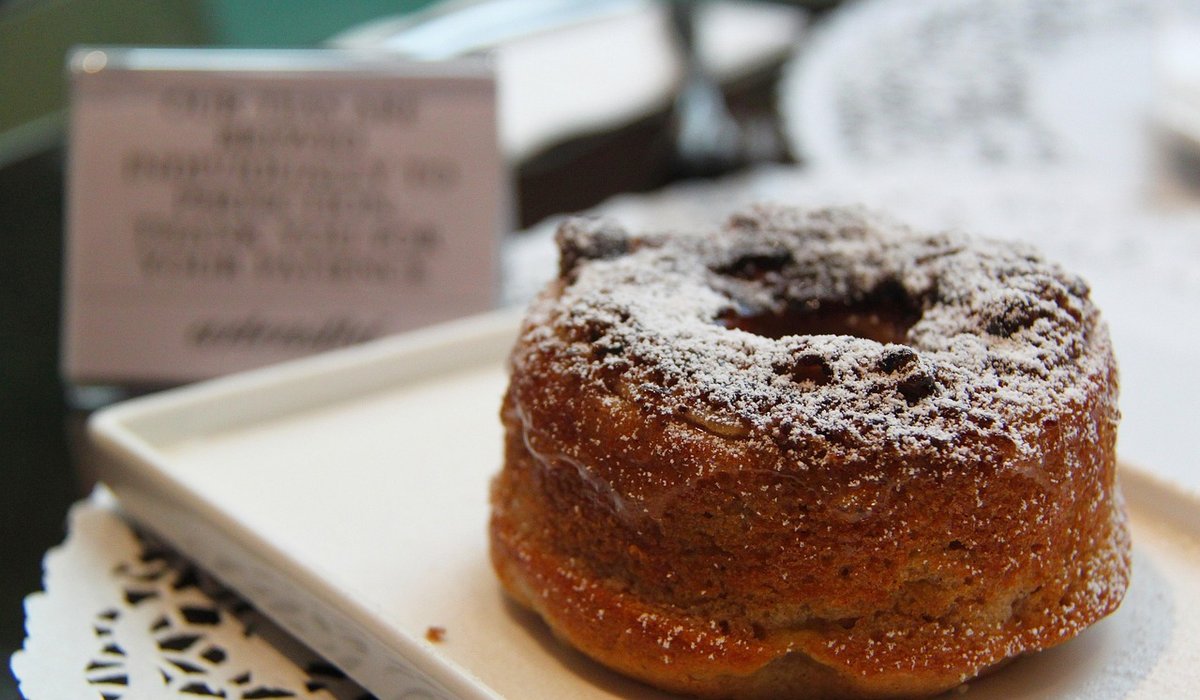
There are few things more satisfying to bring to the table than a chocolate fondant that behaves. Crack the top with the back of a spoon, and a dark, glossy ribbon of chocolate spills out across the plate. Get it wrong, and you have either a chocolate sponge or a puddle of raw batter. The difference is rarely the recipe — it is the timing, the tin, and a little bit of nerve.
This is restaurant cooking in the truest sense: simple ingredients, a short method, and one crucial variable you must control. Once you have made it two or three times, you will know your own oven well enough to nail it every single time.
For four puddings, you need: 100g unsalted butter, plus extra for greasing; 100g dark chocolate at 70% cocoa solids; 2 whole eggs and 2 extra yolks; 60g caster sugar; 1 tablespoon plain flour; a pinch of fine sea salt; and cocoa powder for dusting the moulds.
Chocolate choice genuinely changes the result. Anything below 60% cocoa will give a sweeter, thinner centre; above 75% and the fondant can turn slightly grainy and bitter. Supermarket own-brand 70% bars work beautifully — there is no need to hunt down anything expensive.
Melt the butter and chocolate together in a bowl set over barely simmering water, or in short bursts in the microwave. Let it cool for five minutes — hot chocolate mixture will scramble the eggs.
Whisk the two whole eggs, the two yolks and the caster sugar for a good five minutes until pale, thick and doubled in volume. The whisk should leave a trail that sits on the surface for a second before sinking. Fold in the chocolate mixture with a large metal spoon, then sift over the flour and salt and fold again, just until no streaks remain. Stop there. Overworking at this stage knocks out the air you have just spent five minutes adding.
Spoon into the buttered and cocoa-dusted moulds, filling them about two-thirds full. At this point the batter must rest. Cover with cling film and chill for at least 30 minutes, or up to 24 hours. Cold batter sets from the outside in, which is exactly how you get a firm wall around a liquid middle.
Heat the oven to 200°C fan, or 220°C conventional, with a heavy baking tray inside. Put the chilled moulds straight onto the hot tray and bake for 12 minutes — 13 if your ramekins are ceramic or your fridge is very cold. Do not open the door before 10 minutes.
What you are looking for: the tops should be set and slightly domed, with a faint wobble if you nudge the tray. The edges will have pulled away from the sides by a millimetre or two. If they look completely rigid, they are already overdone.
Leave them on the tray for exactly one minute, no longer, then run a thin knife around the edge and invert onto warm plates.
Fondants wait for no one. Take them to the table the moment they are turned out, with a jug of cold double cream or a spoonful of clotted cream to pour into the molten centre. In late summer, a handful of lightly crushed raspberries or blackberries macerated in a teaspoon of caster sugar cuts the richness beautifully. From January, forced rhubarb poached in orange juice is the classic British pairing. In deep winter, a dusting of cocoa and a small glass of something dark and fortified is all you need.
If you are cooking for a crowd, bake in two batches rather than doubling up on trays — an overcrowded oven steams the puddings and you lose the contrast that makes them special.
Make a note of your exact timing each time you bake these. Within three attempts you will have your own number written on the recipe card, and a pudding that never lets you down.


We are not gonna make spamming
